In a world where digital storefronts often outnumber physical boutiques, the allure of luxury and collectible items remains undiminished. But as the market thrives, so too does the sophistication of counterfeiters. What was once a subtle art of deception has evolved into a high-stakes game of "superfakes" – items so expertly crafted they can fool even seasoned eyes. For buyers, sellers, and enthusiasts alike, the question of authenticity is no longer a luxury; it’s a necessity.
This guide will demystify the complex landscape of authenticating luxury goods, from designer handbags and high-end watches to rare memorabilia. We’ll explore how cutting-edge AI technology is revolutionizing the process, alongside the enduring value of expert human verification. Get ready to equip yourself with the knowledge to buy, sell, and collect with unwavering confidence.
At a Glance: Your Guide to Confident Authentication
- The Problem: Counterfeits are more sophisticated than ever, posing significant financial and reputational risks.
- Two Paths to Trust: Leverage advanced AI technology or rely on the meticulous scrutiny of human experts.
- AI's Edge (e.g., Entrupy): Offers near 100% accuracy, instant results, and financial guarantees through microscopic analysis and vast databases. Ideal for high-volume luxury items.
- Expert's Eye (e.g., Official Authentication): Provides deep, nuanced verification, often involving two experts for unanimous agreement and provenance tracing. Best for rare, high-value, or unique collectibles.
- Beyond the Certificate: Authentication protects your investment, builds buyer confidence, and maximizes resale value.
- Your Role: Combine initial self-checks with professional services to secure your transactions and collections.
The Shadow Market: Why Authenticity Is Your Top Priority
The global market for luxury goods and collectibles is booming, a testament to enduring value and aspirational appeal. But beneath the polished surface lurks a formidable adversary: the multi-billion-dollar counterfeit industry. What was once easily dismissed as cheap knock-offs has evolved dramatically. Today, "superfakes" can replicate the weight, feel, stitching, and even the subtle scent of genuine articles, making them incredibly difficult to distinguish without specialized tools or knowledge.
For buyers, the stakes are clear: a significant financial loss on an item that holds no true value, not to mention the emotional letdown of deception. For sellers—whether individuals, boutique resellers, online marketplaces, or even pawnshops—the risks extend further. Dealing in fakes can decimate a reputation built over years, lead to legal repercussions, and erode customer trust. In an interconnected digital world, a single misstep can spread like wildfire, making robust authentication protocols not just good practice, but essential business survival.
Beyond the Naked Eye: Mastering Modern Authentication Methods
In the battle against sophisticated fakes, relying solely on your own judgment is like bringing a knife to a gunfight. Modern authentication requires a blend of technology and trained human discernment. Two primary, highly effective approaches have emerged as leaders in this field: AI-powered scanning and expert human analysis.
The Power of AI: Micro-Analysis at Scale
Imagine a system that can peer into the very fibers of a material, compare it against millions of microscopic data points from authentic items, and render a verdict in seconds. That's the promise and reality of AI-powered authentication, exemplified by innovators like Entrupy.
How AI Authenticates Luxury (The Entrupy Model):
Entrupy’s patented technology offers a fascinating glimpse into the future of verification. It doesn't just look at an item; it scans it at a microscopic level, revealing details invisible to the human eye.
- Capture the Detail: Users take a series of high-resolution, magnified images using Entrupy’s proprietary mobile app and a specialized device. This isn't just a regular phone camera; it's designed to capture the minute details of materials, stitching, hardware, and finishes.
- Scan and Compare: These highly magnified images are then fed into Entrupy’s sophisticated AI algorithms. The AI compares these unique visual fingerprints against an expansive database of millions of authenticated and counterfeit items. It looks for inconsistencies that even the most skilled human eye might miss, particularly in "superfakes" designed to pass casual inspection.
- Instant Verdict: Within moments, the item is either certified as Authentic or classified as Unidentified. The system’s algorithms continuously learn and adapt, incorporating new data points from both genuine and fake items to improve accuracy over time.
- Financial Assurance: A standout feature of services like Entrupy is their financial guarantee. They offer a 100% money-back guarantee if an authentication is proven incorrect, valid for a full year. This isn't just peace of mind; it's tangible protection for your investments and reputation.
Who Benefits Most from AI Authentication?
- Luxury Resellers: Authenticate inventory at intake, protecting their business and customer base from fakes. The instant results streamline operations.
- Online Marketplaces: Crucial for maintaining platform integrity, rooting out fraudulent listings, and fostering buyer trust.
- Pawnshops: Allows them to buy and sell high-value items with confidence, even without deep in-house brand expertise.
Brands Covered: Entrupy's service covers over 20 top luxury brands, including Prada, Givenchy, Chloé, Balenciaga, Burberry, Dior, Gucci, Goyard, Chanel, Saint Laurent, Celine, Bottega Veneta, Louis Vuitton, Hermès, Christian Louboutin, Valentino, Loewe, Coach, Salvatore Ferragamo, Dolce & Gabbana, MCM, and Fendi. This broad coverage makes it an invaluable tool for diverse luxury businesses.
The Unwavering Insight of Human Experts
While AI brings unparalleled speed and microscopic precision, there's still a profound value in the seasoned eye and contextual knowledge of human experts. Services like Official Authentication emphasize this human-centric approach, leveraging years of experience to combat counterfeits.
How Expert Authentication Works (The Official Authentication Model):
Expert authenticators bring a different kind of precision—one rooted in extensive training, historical knowledge, and a deep understanding of manufacturing nuances, material evolution, and brand-specific "tells."
- Dual Expert Evaluation: Every luxury item submitted undergoes evaluation by not one, but two independent expert authenticators. This dual-review process acts as a robust check and balance.
- Unanimous Agreement: A final decision regarding authenticity requires unanimous agreement from both experts. If they disagree, the item may undergo further scrutiny or be flagged for closer inspection, ensuring no stone is left unturned.
- Provenance Tracing: Beyond just "real or fake," human experts can often trace the provenance—the origin and history—of high-value goods, adding another layer of verification and value, particularly for rare collectibles or vintage pieces.
The Expert Authentication Workflow:
- Account Creation: Users typically start by creating an account to manage their submissions and access their authentication certificates.
- Detailed Submission: You provide comprehensive item descriptions, high-quality photos from multiple angles, and any relevant information (e.g., original receipts, dust bags, boxes, known history). The more context, the better for the experts.
- Access & Services: Once authenticated, users can review, verify, and print digital certificates. Options for physical laminated certificates are also often available.
Key Benefits of Expert Authentication: - Secure Solution: Offers a strong defense against the rising tide of fakes by relying on highly trained and experienced individuals.
- Quality Assurance: Instills confidence in purchasing genuine luxury items, ensuring what you receive aligns with quality expectations.
- Investment Protection: Rigorously verifies authenticity, reducing the risk of acquiring fakes and safeguarding your financial and emotional investment.
AI vs. Experts: A Synergistic Future?
The question isn't necessarily which method is "better," but rather which is best suited for a particular item or situation, and how they might complement each other.
- AI (like Entrupy): Excels in speed, scalability, and detecting "superfakes" through microscopic detail comparison. It's ideal for high-volume transactions, common luxury brands, and scenarios where a quick, definitive answer with financial backing is paramount.
- Experts (like Official Authentication): Offer nuanced understanding, historical context, and the ability to evaluate items that might be too rare, unique, or outside the current database of an AI system. They provide a human touch that can be invaluable for items with complex histories or subtle variations not yet captured by AI.
Many in the industry foresee a future where these two approaches work in tandem, perhaps with AI providing an initial, rapid screening, and human experts stepping in for complex cases or final verification.
Your Authentication Checklist: Navigating the Process
Before you dive into the specifics of a professional authentication service, a little groundwork on your part can go a long way. This isn't about becoming an expert yourself, but rather about arming yourself with initial insights and preparing for submission.
Before You Submit: Initial Self-Checks
While not definitive, these points can raise red flags or reinforce your confidence:
- Seller Reputation: Always scrutinize the seller. Check reviews, selling history, and their transparency. A reputable seller often means a legitimate item.
- Price: If it seems too good to be true, it probably is. Unusually low prices for high-value items are a major red flag.
- Documentation & Packaging: Does the item come with original receipts, dust bags, boxes, authenticity cards, or care booklets? Fakes rarely bother with high-quality ancillary items.
- Serial Numbers/Date Codes: Many luxury items have unique identifiers. Research where these should be located for your specific item and brand. While fakes can copy these, inconsistencies often appear.
- Craftsmanship: Examine stitching (even, tight, no loose threads), hardware (heavy, correctly branded, smooth operation), zippers (brand names, quality of pull), and overall construction.
- Materials: Touch and feel the material. Is the leather supple? Does it have a genuine leather smell (not plastic or chemical)? Does the hardware feel solid or flimsy?
- Weight & Balance: Genuine luxury items often have a distinct weight and balance that fakes struggle to replicate.
- Subtle "Tells": Brands often have very specific fonts, logo placements, and design nuances. Research these for your item.
Remember, these are starting points. Modern counterfeits are adept at mimicking these details, so self-checks are not a substitute for professional authentication.
Choosing Your Authentication Path
With AI and expert services available, how do you decide which one is right for your needs?
- Opt for AI (e.g., Entrupy) if:
- You deal with high volumes of luxury items regularly (e.g., a reseller).
- The item is a popular luxury brand covered by the AI service.
- You need rapid results and operational efficiency.
- You value the financial guarantee against incorrect authentication.
- You want an objective, data-driven analysis that catches microscopic flaws.
- Choose Human Experts (e.g., Official Authentication) if:
- The item is extremely rare, vintage, or a unique collectible that might not be in an AI database.
- You require provenance tracing or a deeper historical context.
- You prefer the nuanced judgment of experienced individuals, especially for highly complex or ambiguous cases.
- The item's brand is not yet covered by available AI services.
- You desire the added security of a two-expert, unanimous decision process.
In some cases, especially for exceptionally valuable items, you might consider a two-step approach: an initial AI scan for speed, followed by expert verification for ultimate peace of mind.
The Submission Process: What to Prepare
Regardless of the service you choose, clear and thorough submission is key.
- High-Quality Photos: This is paramount. Take well-lit, clear, in-focus pictures from every conceivable angle. Include:
- Overall shots (front, back, sides, bottom).
- Close-ups of logos, hardware (zippers, clasps, buckles), stitching, serial numbers, date codes, and any unique brand features.
- Interior shots (lining, pockets, tags).
- Any flaws or specific areas of concern.
- Detailed Description: Provide as much information as possible:
- Brand, model, color, material, dimensions.
- Where and when you acquired it.
- Any known history or usage.
- Reason for authentication (e.g., planning to sell, recent purchase).
- Supporting Documentation: Include scans or photos of original receipts, authenticity cards, dust bags, boxes, or tags if available. Even if you don't have everything, provide what you do.
The clearer and more comprehensive your submission, the faster and more accurate the authentication process will be.
The Value of Verification: Beyond Just "Real or Fake"
Getting an item authenticated isn't just about satisfying curiosity; it's a strategic move that carries significant benefits across the entire luxury and collectibles ecosystem.
Protecting Your Investment
For the buyer, a certificate of authenticity is a shield. It safeguards your financial outlay against the devastating blow of discovering you've purchased a counterfeit. Knowing your item is genuine means its value is legitimate, making it a sound acquisition rather than a costly mistake. It removes the lingering doubt and allows you to enjoy your luxury item or collectible with true confidence. When navigating complex decisions in the marketplace, understanding the authenticity of an item is as crucial as understanding its price; to make truly informed choices, it helps to Explore The Mama Not The Mama in terms of genuine value.
Building Trust and Reputation
For sellers, authentication is an investment in your brand. In a market riddled with fakes, a seller who consistently provides authenticated items stands out. It builds unwavering trust with your clientele, demonstrating your commitment to ethical business practices and quality. This reputation is invaluable, leading to repeat customers, positive reviews, and a stronger market position. For online marketplaces, robust authentication policies are vital for maintaining user confidence and attracting legitimate buyers and sellers.
Maximizing Resale Value
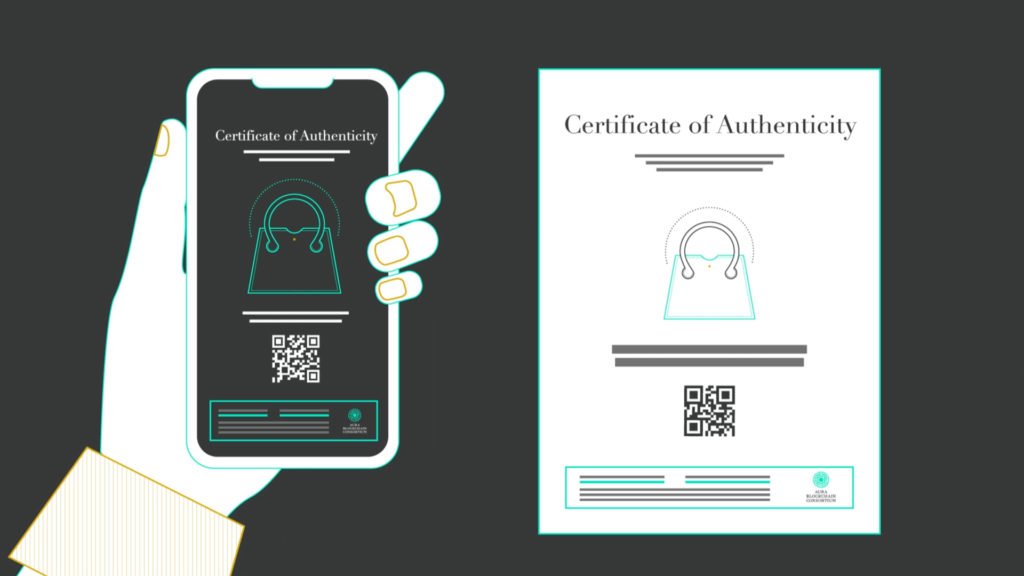
A luxury item with an official Certificate of Authenticity—especially from a recognized third-party service like Entrupy or Official Authentication—commands a significantly higher market value. Buyers are willing to pay a premium for guaranteed authenticity because it eliminates risk and confirms the item's intrinsic worth. This certificate effectively acts as a passport of legitimacy, making your item more desirable and easier to sell at its true market price.
Operational Streamlining for Businesses
For luxury resellers, pawnshops, or other businesses dealing in high volumes of valuable goods, authentication services streamline operations. Instant AI results, for instance, eliminate guesswork and significantly speed up intake and processing. This efficiency translates directly into cost savings and increased profitability, allowing businesses to focus on growth rather than on time-consuming manual verification. The continuous learning of AI algorithms also means businesses are always equipped to detect the latest sophisticated counterfeit techniques in real-time.
Common Myths and Misconceptions About Authentication
The world of luxury and collectibles is ripe with myths. Let's debunk a few:
- "All fakes are obvious; I can tell just by looking."
- Reality: This used to be true, but modern "superfakes" are incredibly convincing. They often replicate materials, stitching patterns, and even subtle details that require expert knowledge or microscopic analysis to discern. Relying solely on visual inspection is a high-risk gamble.
- "Only the brand itself can truly authenticate its products."
- Reality: While brands are the original creators, many do not offer authentication services to the public for items purchased second-hand. This is where independent third-party authenticators like Entrupy and Official Authentication step in. They are unbiased, specialized, and often possess databases or expert knowledge that can even surpass what a brand might offer for legacy items.
- "Authentication is too expensive and not worth it."
- Reality: Consider the true cost of not authenticating. If you spend thousands on a fake, that money is entirely lost. The cost of a professional authentication service is a small fraction of the item's value and acts as an insurance policy, protecting your investment and preventing potentially much larger financial losses.
- "Serial numbers/date codes are definitive proof of authenticity."
- Reality: While crucial, serial numbers and date codes can be copied, fudged, or even removed. They are one piece of the puzzle, not the entire solution. Authenticators look at the serial number in context with the item's overall construction, materials, and other details.
Moving Forward: Securing Your Valuables in a Complex Market
The market for luxury and collectible items is dynamic, exciting, and unfortunately, constantly targeted by those looking to profit from deception. However, with the right tools and approach, you can navigate this landscape with unwavering confidence.
Whether you're a passionate collector, a savvy reseller, or simply someone looking to make a significant purchase, professional authentication is not just a safeguard—it's an empowerment. Services leveraging cutting-edge AI, like Entrupy, offer speed, accuracy, and financial guarantees for a wide range of luxury goods. Simultaneously, the meticulous, in-depth analysis of human experts, as seen with Official Authentication, provides critical context and reassurance for the most unique and valuable items.
Your action plan is clear: Always authenticate high-value items. Choose reputable services that align with your needs. Stay informed about the latest authentication technologies and methods. By doing so, you're not just buying or selling an item; you're investing in peace of mind, protecting your assets, and contributing to a more trustworthy marketplace for everyone. Embrace these tools, and collect—or sell—with the certainty you deserve.